Maharajganj Lok Sabha Chunav 2024 Result
इस संसदीय क्षेत्र में मतदान 25 मई को हुआ, जिसमें कुल 50.97 प्रतिशत वोट पड़े।बिहार का महाराजगंज लोकसभा निर्वाचन क्षेत्र भारत की चुनावी राजनीति में अपने महत्वपूर्ण स्थान रखता है। 2019 के आम चुनावों में, यहाँ बहुत मजेदार चुनावी मुकाबला देखने को मिला था। भाजपा के प्रत्याशी जनार्दन सिंह सिग्रीवाल ने पिछले चुनाव में 1,02,651 मतों के अंतर से जीत दर्ज़ किया। उन्हें 5,29,533 वोट मिले। जनार्दन सिंह सिग्रीवाल ने कांग्रेस के उम्मीदवार आकाश प्रसाद सिंह को हराया जिन्हें 4,26,882 वोट मिले। महाराजगंज की जनसांख्यिकी विविधताओं से भरी है और चुनावी नजरिए से यह बिहार के लोक सभा क्षेत्रों में रोचक और अहम है। इस निर्वाचन क्षेत्र में विगत 2019 के लोक सभा चुनाव में % मतदान हुआ था। इस बार यानी कि 2024 में मतदाताओं में खासा उत्साह है और वे लोकतंत्र में वोटों की ताकत दिखाने को और ज़्यादा जागरुक और तैय्यार हैं। इस वर्ष यानी कि 2024 में महाराजगंज लोक सभा निर्वाचन क्षेत्र से भारतीय जनता पार्टी से जनार्दन सिंह सिग्रीवाल और इंडियन नेशनल कांग्रेस से आकाश प्रसाद सिंह प्रमुख उम्मीदवार हैं। महाराजगंज लोक सभा चुनाव के सभी अपडेट्स के लिए देखते रहिए यह पेज।
Maharajganj लोकसभा चुनाव
महाराजगंज उम्मीदवारों की सूची

जनार्दन सिंह सिग्रीवाल
भारतीय जनता पार्टी

आकाश प्रसाद सिंह
इंडियन नेशनल कांग्रेस
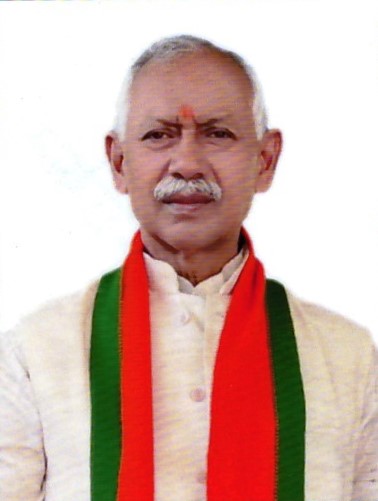
महाराजगंज लोकसभा चुनाव परिणाम 2024 to 1957
वर्ष के अनुसार ब्राउज़ करें
| उम्मीदवार का नाम | कुल वोट | वोट शेयर | |
|---|---|---|---|
|
जनार्दन सिंह सिग्रीवाल
विजेता
|
Bharatiya Janata Party |
5,29,533
नेतृत्व करना: 1,02,651
|
52.22% |
| आकाश प्रसाद सिंह | Indian National Congress | 4,26,882 | 42.09% |
| Nota | None Of The Above | 21,687 | 2.14% |
| Tribhuwan Ram | Peoples Party Of India (democratic) | 14,838 | 1.46% |
| Madhusudan Singh | Bahujan Samaj Party | 13,402 | 1.32% |
| Akhileshwar Prasad Singh | All India Majlis-e-ittehadul Muslimeen | 7,767 | 0.77% |
किसमें कितना है दम
महाराजगंज अब तक विधानसभा चुनाव परिणाम
| वर्ष | प्रत्याशी का नाम | पार्टी | वोट | वोट शेयर |
|---|---|---|---|---|
| 2024 | Janardan Singh Sigriwal | BJP |
529,533
(नेतृत्व करना:
102,651)
|
52% |
| Akash Prasad Singh | INC | 426,882 | 42% | |
| 2019 | Janardan Singh \'sigriwal\" | BJP |
546,352
(नेतृत्व करना:
230,772)
|
56% |
| Randhir Kumar Singh | RJD | 315,580 | 32% | |
| 2014 | Janardan Singh Sigriwal | BJP |
320,753
(नेतृत्व करना:
38,415)
|
39% |
| Prabhu Nath Singh | RJD | 282,338 | 34% | |
| 2009 | Uma Shanaker Singh | RJD |
211,610
(नेतृत्व करना:
2,797)
|
35% |
| Prabhu Nath Singh | JD(U) | 208,813 | 35% | |
| 2004 | Prabhunath Singh | JD(U) |
283,506
(नेतृत्व करना:
46,465)
|
43% |
| Jitendra Swami | RJD | 237,041 | 36% | |
| 1999 | Prabhunath Singh | JD(U) |
398,475
(नेतृत्व करना:
104,063)
|
57% |
| Mahachandra Prasad Singh | INC | 294,412 | 42% | |
| 1998 | Prabhunath Singh | SAP |
360,265
(नेतृत्व करना:
205,553)
|
54% |
| Mahachandra Prasad Singh | INC | 154,712 | 23% | |
| 1996 | Ram Bahadur Singh | SAP |
325,577
(नेतृत्व करना:
152,854)
|
54% |
| Girija Devi | JD | 172,723 | 29% | |
| 1991 | Girija Devi (w) | JD |
239,700
(नेतृत्व करना:
24,335)
|
38% |
| Ram Bahadur Singh | JP | 215,365 | 34% | |
| 1989 | Chanrasbekhar | JD |
382,488
(नेतृत्व करना:
217,318)
|
65% |
| Krishna Pratap | INC | 165,170 | 28% | |
| 1984 | Krishnapratap Singh | INC |
255,462
(नेतृत्व करना:
133,904)
|
63% |
| Ram Deo Singh | JNP | 121,558 | 30% | |
| 1980 | Krishna Pratap Singh | INC(I) |
144,744
(नेतृत्व करना:
30,932)
|
44% |
| Ramdeo Singh | JNP | 113,812 | 35% | |
| 1977 | Ram Deo Singh | BLD |
345,781
(नेतृत्व करना:
251,898)
|
78% |
| Daroga Prasad Roy | INC | 93,883 | 21% | |
| 1971 | Ramdeo Singh | SSP |
98,386
(नेतृत्व करना:
1,008)
|
34% |
| Indra Deep Singh | CPI | 97,378 | 33% | |
| 1967 | M. P. Singh | INC |
96,212
(नेतृत्व करना:
17,244)
|
35% |
| I. Sinha | CPI | 78,968 | 29% | |
| 1962 | Krishnakanta Singh | INC |
73,670
(नेतृत्व करना:
13,527)
|
45% |
| Yamuna Prasad Singh | PSP | 60,143 | 37% | |
| 1957 | Mahendra Nath Singh | INC |
71,718
(नेतृत्व करना:
20,945)
|
49% |
| Tara Rani | PSP | 50,773 | 34% |
The information provided on this page about the current and previous elections in the constituency is sourced from various publicly available platforms including https://old.eci.gov.in/statistical-report/statistical-reports/ and https://affidavit.eci.gov.in/. The ECI is the authoritative source for election-related data in India, and we rely on their official records for the content presented here. However, due to the complexity of electoral processes and potential data discrepancies, there may be occasional inaccuracies or omissions in the information provided.
Election News
प्रमुख दलों उम्मीदवार सूची
भारत में प्रख्यात नेताओं की सूची
-
 Sign in with Google

-
Block for 8 hours
-
Block for 12 hours
-
Block for 24 hours
-
Don't block


 Click it and Unblock the Notifications
Informed.
- Male
- Female
- Others
- Under 18
- 18 to 25
- 26 to 35
- 36 to 45
- 45 to 55
- 55+